

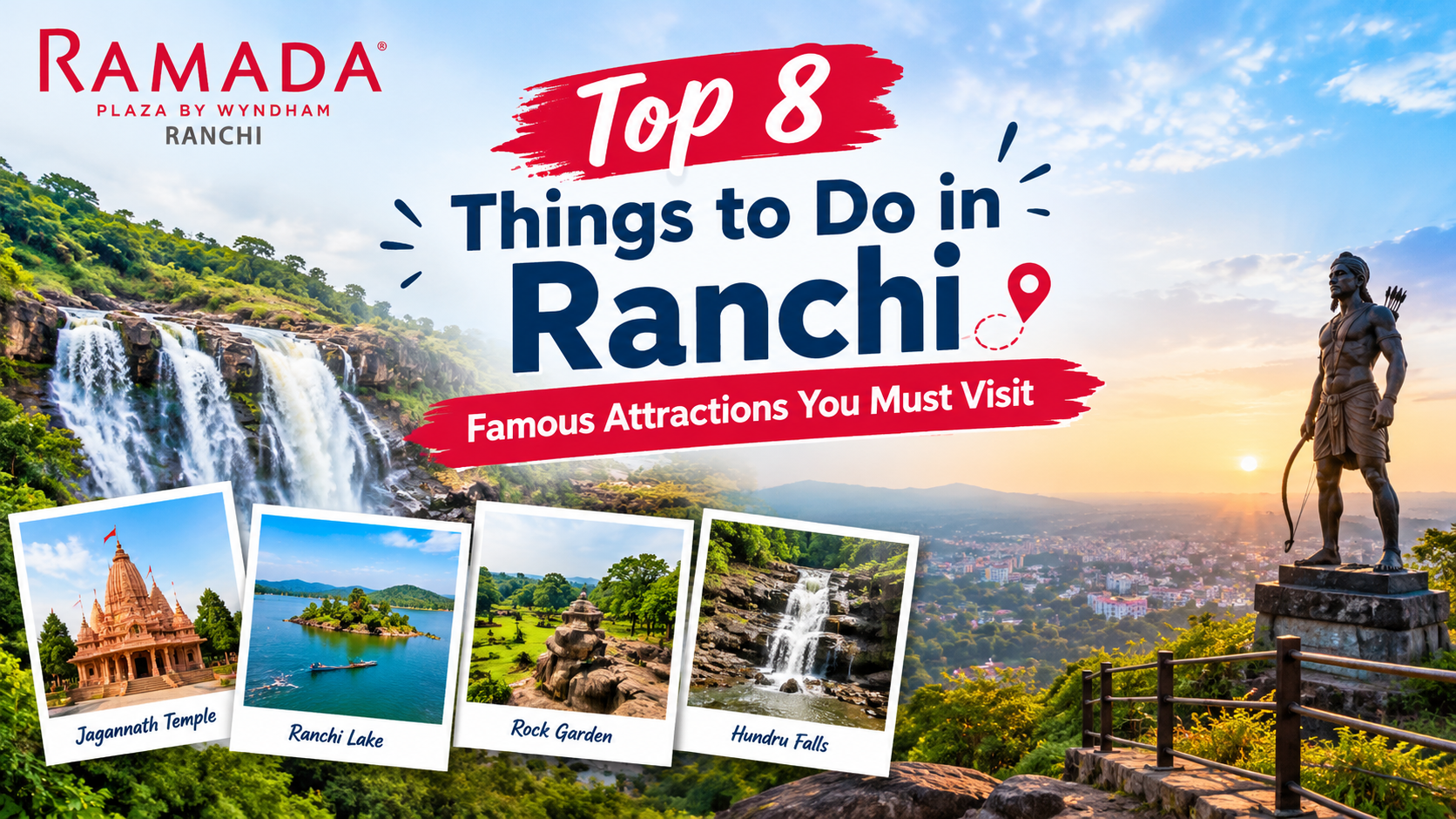
Top 8 Things to Do in Ranchi: Famous Attractions You Must Visit
Ramada Plaza by Wyndham Ranchi


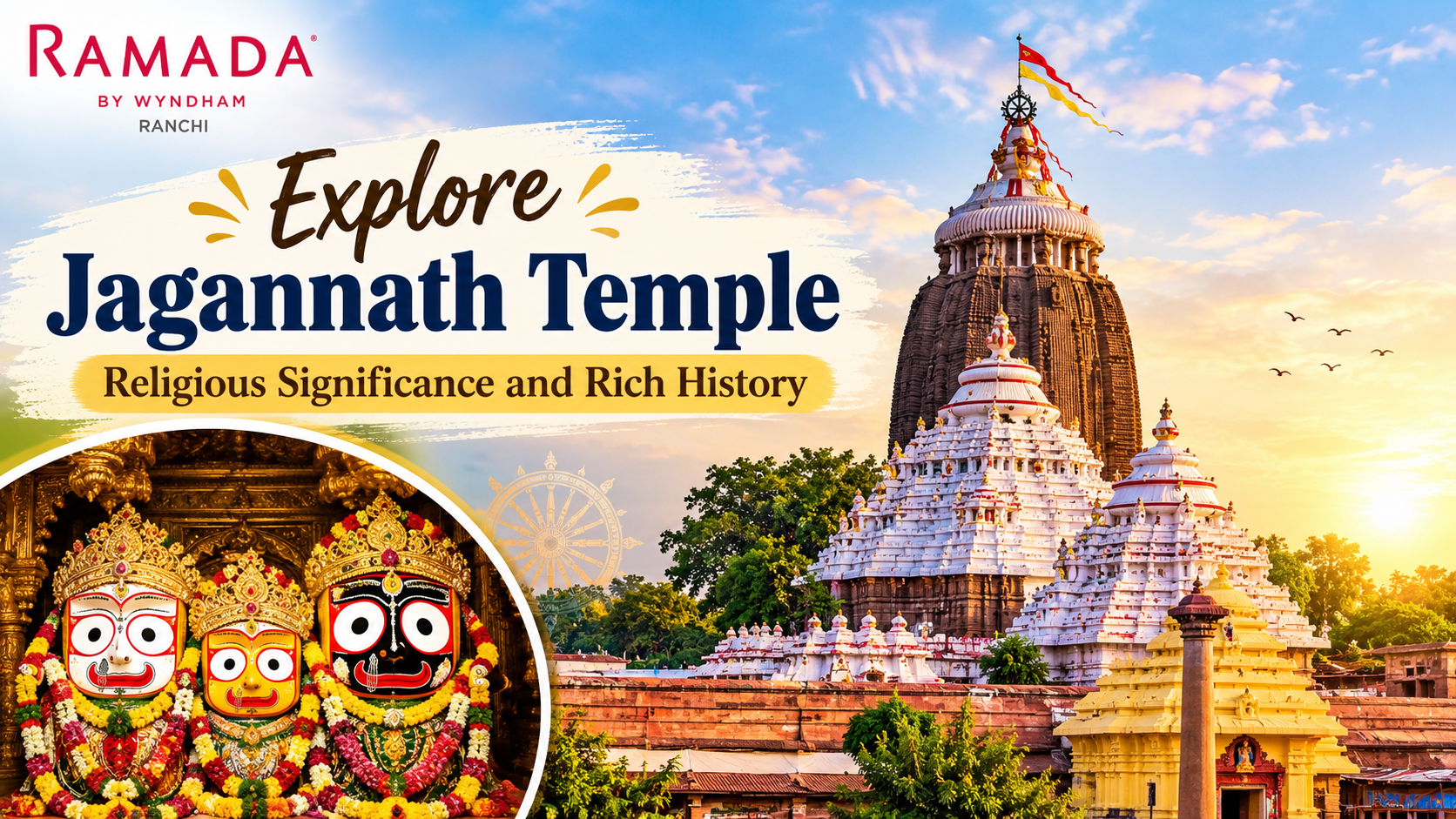
The Jagannath Temple in Puri, Odisha, is one of the most revered Hindu pilgrimage destinations in India. Dedicated to Lord Jagannath, a form of Lord Vishnu, the temple holds deep religious, cultural, and historical significance. Known for its distinctive wooden deities, ancient Kalinga architecture, and the world-famous Rath Yatra, it attracts millions of devotees and visitors seeking spiritual blessings and a deeper understanding of Indian traditions.
Exploring Jagannath Temple offers more than a religious experience. It provides an opportunity to discover centuries-old customs, remarkable architecture, sacred rituals, and the living heritage of Odisha. Whether you are planning a pilgrimage or researching India’s historic temples, understanding its origins and traditions will make your visit more meaningful.
Read more: Ranchi Travel Guide: Top 10 Places to Visit in Ranchi 2026
The present Jagannath Temple is generally associated with the 12th century. Historical accounts credit King Anantavarman Chodaganga Deva of the Eastern Ganga dynasty with initiating its construction, while later rulers contributed to its development and completion. The temple became an important centre of religious patronage and regional identity in medieval Odisha.
Although older traditions connect Lord Jagannath worship with much earlier periods, historians distinguish between these religious narratives and the available archaeological and historical evidence.
According to Hindu tradition, the story of Lord Jagannath is connected with King Indradyumna, who wished to establish a sacred image of the deity. The traditional narrative describes the mysterious appearance of the wooden forms of Lord Jagannath, Lord Balabhadra, and Goddess Subhadra.
These distinctive idols differ from the stone or metal images commonly seen in Hindu temples. Their unusual appearance and ritual renewal remain central to the temple’s spiritual identity.
Over the centuries, Jagannath Temple experienced periods of royal support, political change, and challenges to its continuity. Successive rulers helped preserve its religious importance, while priests, artisans, and devotees maintained its traditions.
Today, the temple remains a major centre of Vaishnavism and an important symbol of Odisha’s cultural heritage. Its history reflects the enduring relationship between faith, community, and regional identity.
The temple’s principal deities are Lord Jagannath, his elder brother Lord Balabhadra, and their sister Goddess Subhadra. They are worshipped together in the sanctum, representing a distinctive devotional tradition.
Lord Jagannath is widely understood as a form of Vishnu or Krishna. For devotees, visiting the temple and receiving darshan is an opportunity to express devotion, seek blessings, and experience a profound connection with the divine.
Daily worship at the temple follows established rituals involving offerings, prayers, music, and ceremonial observances. These practices reflect the continuity of religious customs passed down through generations.
The temple is also renowned for Mahaprasad, the sacred food offered to Lord Jagannath and distributed to devotees. Prepared according to traditional practices, it holds an important place in the spiritual and communal life of Puri.
The Jagannath tradition brings together diverse communities through shared worship, festivals, food, and cultural celebrations. The deity’s popularity extends far beyond Odisha, with devotees across India and around the world celebrating Lord Jagannath.
The temple’s religious significance lies not only in its sacred space but also in the living traditions that connect generations of worshippers.
The temple is a remarkable example of Kalinga-style architecture, a distinctive regional tradition known for monumental stone structures and carefully proportioned towers. Its main sanctuary features a towering curvilinear spire that dominates the surrounding landscape.
The complex includes the principal shrine, assembly halls, and other structures associated with worship and temple administration. Its imposing form demonstrates the architectural skill and religious ambitions of medieval Odisha.
The temple’s prominent Neelachakra, or Blue Wheel, stands atop the main temple tower and is an important religious symbol. The complex also features the Singhadwara, or Lion Gate, which serves as its principal entrance.
Each architectural element contributes to the temple’s identity as both a place of worship and a historic monument. Visitors can appreciate its design while remembering that its spaces remain part of an active religious institution.
One of the temple’s most distinctive customs is Nabakalebara, a special ritual during which new wooden bodies are prepared for the deities according to prescribed traditions. It takes place in connection with specific calendar circumstances rather than every year.
This renewal reflects the belief that the divine presence continues even as its physical form changes, making the custom a powerful expression of faith and continuity.
Read more: Top 8 Things to Do in Ranchi: Must-Visit Attractions
Rath Yatra is the most celebrated festival associated with Jagannath Temple. During this annual event, the deities of Lord Jagannath, Lord Balabhadra, and Goddess Subhadra are carried in enormous, beautifully decorated wooden chariots from the temple towards the Gundicha Temple.
The procession symbolises the deities coming out to meet devotees. Thousands gather along the procession route to witness this extraordinary expression of faith, making Puri a major destination for religious and cultural tourism.
The festival follows the Hindu lunar calendar and usually takes place in June or July. Its return procession, known as Bahuda Yatra, is another important occasion. The chariots, devotional songs, ceremonial rituals, and enthusiastic participation create an atmosphere unlike any ordinary temple visit.
Travellers planning to attend should arrange accommodation well in advance, expect substantial crowds, and follow official traffic and safety advisories.
October to March is generally a comfortable period to explore Puri because the weather is usually more pleasant. Festival dates can offer a special cultural experience, but they also bring larger crowds.
Puri is connected by rail and road to major destinations in Odisha. The nearest major airport is Biju Patnaik International Airport in Bhubaneswar, approximately 60 kilometres away by road, depending on the route.
Jagannath Temple has specific entry rules, including restrictions on entry for non-Hindus. Visitors should confirm the current policy and any other requirements through official temple administration channels before travelling.
Dress modestly, respect religious customs, follow security instructions, and avoid carrying prohibited items. Photography and mobile phone rules may restrict their use within designated areas, so check current instructions before entering.
Jagannath Temple is much more than an ancient religious monument. Its centuries-old history, distinctive wooden deities, impressive Kalinga architecture, sacred Mahaprasad, and spectacular Rath Yatra make it one of India’s most significant spiritual and cultural destinations. The temple continues to preserve traditions that connect faith, community, and heritage across generations.
Whether you visit for darshan, historical exploration, or the vibrant Rath Yatra celebrations, learning about its traditions will deepen your appreciation of Puri. Respectful planning and an understanding of temple customs can help make the journey both memorable and meaningful.
If you are planning a spiritual visit to Jagannath Temple in Ranchi and looking for a comfortable place to relax after sightseeing, Ramada by Wyndham Ranchi is worth considering. As a premium accommodation option, it offers modern rooms, dining facilities, and amenities designed to make your stay enjoyable. Choosing a luxury hotel in Ranchi can help you combine your temple visit with a relaxing and comfortable travel experience.
The idols of Lord Jagannath, Lord Balabhadra, and Goddess Subhadra have distinctive forms and are made from sacred wood rather than stone or metal. Their traditional renewal is an important part of the temple’s religious practices.
Mahaprasad is food offered to Lord Jagannath and later distributed to devotees. It represents divine blessings, devotion, and the shared spiritual traditions of Puri.
Nabakalebara is a special ritual in which new wooden forms of the deities are prepared according to traditional ceremonies. It occurs periodically, not annually, and symbolises renewal and continuity.
Each principal deity has a dedicated chariot: Nandighosha for Lord Jagannath, Taladhwaja for Lord Balabhadra, and Darpadalana for Goddess Subhadra. The chariots are distinguished by their traditional colours, designs, and decorations.
Visitors can explore Puri Beach, Gundicha Temple, Narendra Tank, and the traditional artisan village of Raghurajpur. These places offer opportunities to discover the region’s spiritual heritage, local art, and coastal culture.
+91-9241825959